.svg)

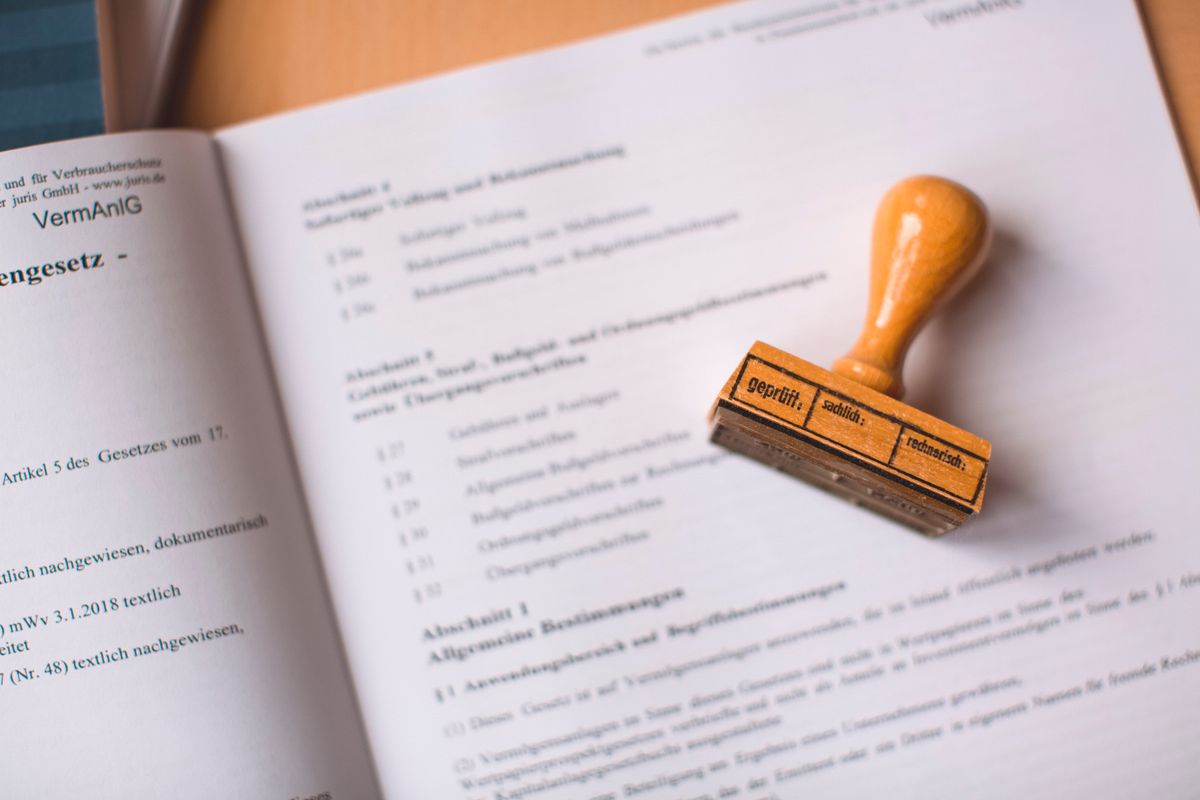
You spent months building a brand. EUIPO registration came through clean. Then you launch in the US. Four weeks later, a letter arrives from a company in Ohio you have never heard of. They have no registration, no EU presence, and no website worth visiting. They are telling you to stop using your own name.
They may be right. The cost of finding out late is a full rebrand.
Europe rewards filing. The US rewards using.
In Europe, trademark rights come from the register. You file, you get it, you own it. A clean EUIPO search is close to a clean answer.
The US works differently. Trademark rights arise from use in commerce. Someone selling under a name in their region since 2019 can hold enforceable common law rights. They can block your registration. They can demand you stop selling in their territory. No federal filing required.
A US clearance search that only checks the USPTO database is not a clearance search. It is half of one.
What a real search covers:
- USPTO register (pending and abandoned applications included)
- State trademark registers
- Business name filings
- Domain registrations and app stores
- Commercial use found on the open web
You are not looking for identical names. You are looking for confusingly similar names in related lines of business. "Similar" covers sound, appearance, and meaning. A different spelling of the same spoken word is usually not the escape hatch it looks like.
What it costs to look versus what it costs not to
A knockout search costs an afternoon. Search the USPTO's TESS system. Search state registers for your target states. Search the app stores. Search Google. This will not clear you. But it will kill obviously doomed names before you fall in love with one.
A full clearance opinion costs real money. It is worth it before you commit spend to a name. The comparison is not "search fee versus zero." It is search fee versus rebranding a launched product.
Two details for foreign founders:
- US-licensed attorney required. The USPTO requires foreign applicants to be represented by a US-licensed attorney. This is not optional. Applications get refused over it.
- Priority window from your EU filing. File in the US within six months of your first foreign application and you can generally claim that earlier filing date. The Madrid Protocol also offers routes to extend an existing registration to the US.
Sequence this before you spend
The order is the whole game.
- Shortlist three names, not one. Founders who bring one name to clearance negotiate with reality badly.
- Knockout search all three yourself. Expect to lose at least one.
- Get a clearance opinion on the survivor. Covering common law use, not just the register.
- File in the US. Intent-to-use if you are pre-launch. File in every class you plan to operate in.
- Then buy the domain, print the packaging, and start spending.
Most pain comes from founders who ran steps 5 and 1 in the wrong order. Usually because the EU registration made them feel finished.
USPTO examination is slow. Often many months to a first response. Filing early costs nothing and buys you the priority date. Waiting until launch week guarantees you learn the bad news at the worst moment.
Where this sits in your broader IP
A trademark protects the name customers use to find you. It does nothing for your code, designs, or content. Those need assignment agreements from every contributor.
Both end up in the same place: the diligence checklist. Investors ask whether you own your name and your code. "We are pretty sure" is not an answer that survives a data room.
The bottom line
Before your next US spend on the brand, run a knockout search on the name you are already using. If anything similar comes back in your line of business, stop. Get it cleared before the next invoice.
We help founders clear and register US trademarks as part of their market entry. If you would rather have someone who does this weekly look at it, reach out at Fellow.